
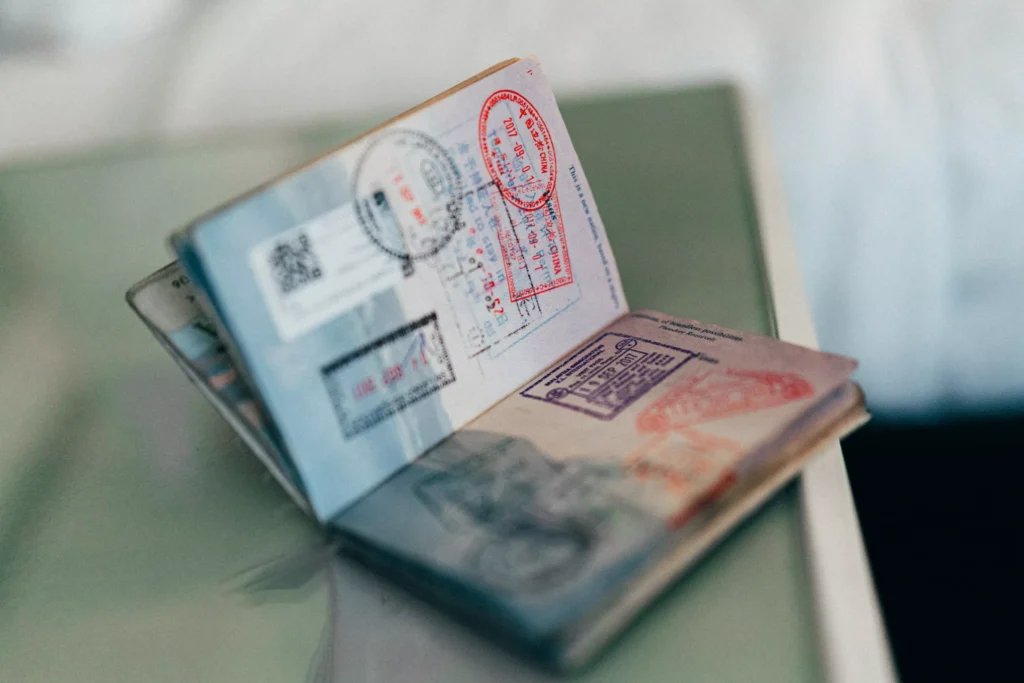
“Advance parole” is permission from USCIS to leave the U.S. and come back without abandoning a pending immigration application or approved humanitarian status. People with DACA, TPS, a pending green card application, a T visa, or, in rare cases, a U visa often use it to visit family, get medical care, or handle an emergency abroad. Now, because of a recent ruling, traveling outside of the U.S. with advance parole may not be safe for anyone who has been in the U.S. for more than six months without legal status.
Important dates:
- 2012: The Board of Immigration Appeals (BIA) rules that traveling on advance parole doesn’t trigger the penalties for time spent in the U.S. without status.
- August 13, 2026: The BIA reverses that ruling in a case called Matter of Delcarmen-Lara. The change applies to trips taken from this date forward.
What changed?
Normally, if you spend more than six months in the U.S. without legal status and then leave, you can be blocked from coming back for years. You will be banned for either 3 or 10 years, depending on how much time you spent here without status.
For the last 14 years, advance parole has protected those with temporary humanitarian status or pending green card applications from triggering those bans when they needed to leave the country for a period of time. If someone was granted advance parole, they could travel outside of the country, return legally, and continue to apply for a green card.
Now, advance parole is no longer protection from triggering an “unlawful presence” ban on returning. Leaving on advance parole will be treated as any other departure. If you have spent any time in the U.S. without legal status, traveling outside of the U.S. could result in border officials refusing to let you back in (even if you have temporary legal status authorizing you to be in the U.S.!).
Does this affect me?
If you’ve spent more than 180 days in the U.S. without legal status and you’re thinking about traveling on advance parole, this could affect you. Time before you turned 18 generally doesn’t count.
The people most affected include:
- DACA recipients
- TPS holders who travel with USCIS permission
- People with a pending green card application
- U visa and T visa holders
What if I already traveled?
If you left and came back before August 13, 2026, the new decision shouldn’t apply to that trip.
If you left before August 13 but came back after, it’s not clear how the decision applies. Talk to a licensed immigration legal services provider.
What can I do?
- Don’t travel on advance parole without talking to an attorney first, even if your advance parole is already approved.
- If you’re outside the U.S. right now, contact an attorney before you try to return.
- Check back for more information. It’s possible that this ruling will be challenged in court, and the rules could change again.
This article is for general information only and is not legal advice.
 English
 Spanish